

As a parent, it’s your job to support your child’s development in all aspects of their life, including their oral health. At Leavitt Dentistry, we’re proud to treat people of all ages, from pediatric patients to seniors. We’re committed to helping you and your children develop healthy habits and ensure a lifetime of happy, healthy smiles.
Keep reading to get answers to some of your questions about pediatric oral health, and if you have any additional questions, don’t hesitate to reach out to us. We’d love to talk with you and give you personalized advice to set your child up for success.
1. What Are the Early Signs of a Cavity in Toddlers?
No one is immune to the risk of cavities — not even toddlers. Young children are still learning good oral health habits, and despite your best efforts, they may still develop tooth decay.
If your child complains about toothaches (especially while chewing) or has sensitivity to hot or cold temperatures, this is a red flag. Look for small white dots on the teeth, which are often the first visual sign of cavities. If left untreated, they can become dark holes or pits.
If your child has any oral pain or discomfort — even if you can’t see any signs of a cavity — bring them in for a pediatric check-up right away. We’ll perform X-rays to determine whether any tooth decay is present and what steps to take next.
2. How Many Teeth Should a Toddler Have?
Every child is different — some may take a bit longer than others for their baby teeth to come in. Generally, a child’s first teeth — the lower incisors — typically start coming in at around 6 months of age. By 9 months, the upper incisors erupt. At a year, most incisors should be present, and at 18 months, the first molars should appear. Once they reach 2 years old, the canines typically erupt, and at 3 years, the second molars come in, leaving them with all 20 of their baby teeth.
If your child isn’t hitting these milestones, it’s a good idea to bring it up at their next appointment with Dr. Leavitt. He can perform a thorough examination and determine whether there’s something impacting their development or whether your child just needs a bit of extra time.
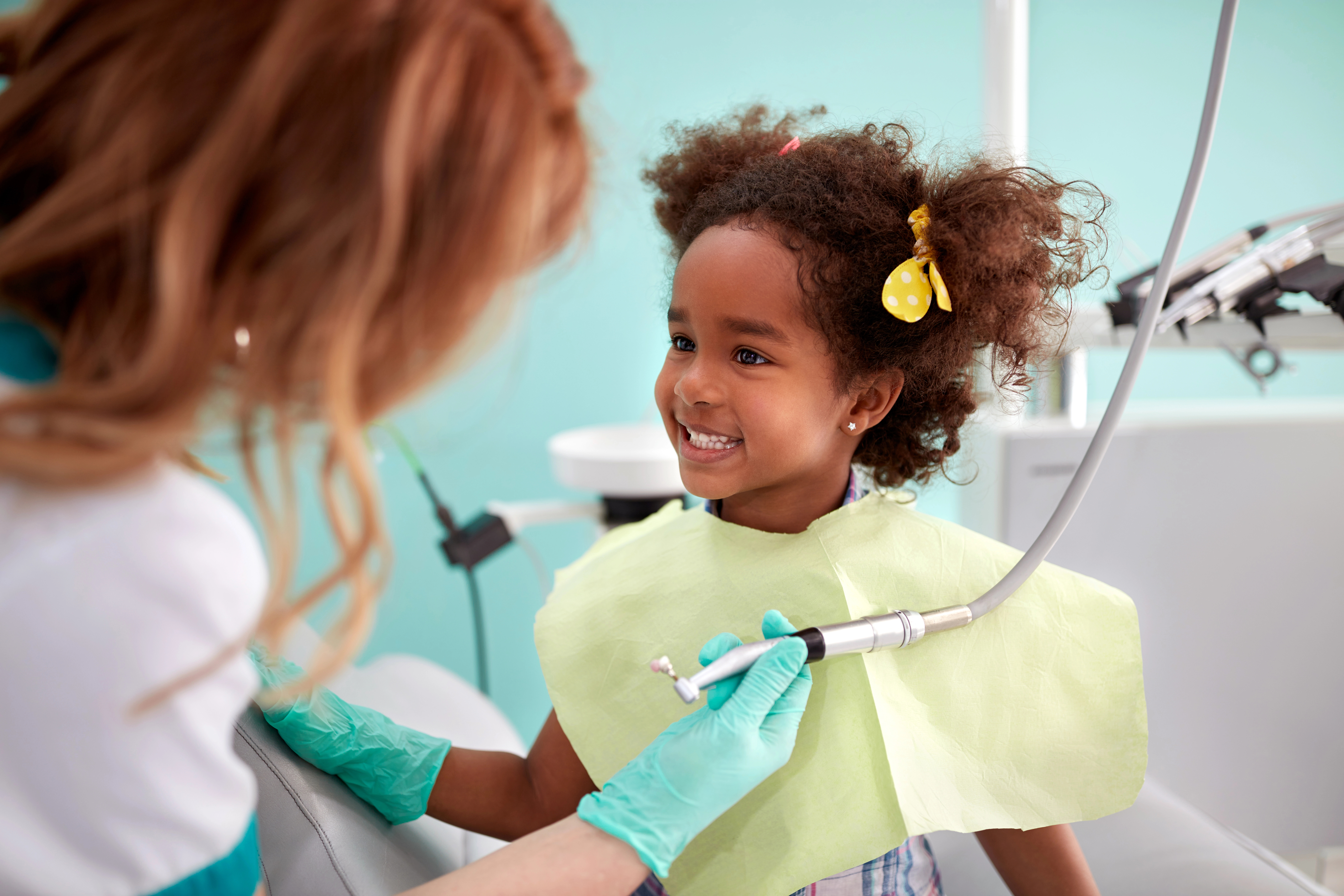
3. What Does It Mean If My Child’s Baby Teeth are Coming in Late?
There are many reasons your child’s baby teeth may come in late, including genetics, premature birth, hypodontia (congenital missing teeth), nutritional deficiencies, certain developmental conditions, or an obstruction blocking the tooth from erupting. Some cases are not cause for concern, while others may require intervention from a pediatric dentist.
If you notice any of these symptoms, make an appointment with Dr. Leavitt to evaluate:
- A lack of teeth by 18 months or only a few teeth by age 3
- Teeth coming in abnormally early (before 3-4 months)
- Teeth coming in with discoloration or deformity
- Teeth growing in in unusual positions
- Persistent gum swelling
4. How Do I Know if My Child Needs Braces?
Pediatric orthodontic treatment typically starts when children are between the ages of 8 and 14. Braces are about more than just aesthetics — an aligned bite makes it easier to maintain good oral health, chew comfortably, and speak clearly.
As your child’s permanent teeth come in, look for these signs that they may need braces to correct their bite:
- Crooked teeth
- Crowding
- Protruding upper teeth
- An underbite or overbite
- Difficulty keeping teeth clean
While these issues can be genetic, they can also be exacerbated by chronic mouth breathing, thumb-sucking, or poor nutrition.
5. Should I Pull My Child’s Loose Tooth Out?
In general, it’s best to let your child’s teeth fall out naturally. Pulling it out before it’s ready can cause unnecessary bleeding and pain and might be more difficult than you expect, with some root still holding the tooth in. However, if the tooth is hanging on by a thread and causing them discomfort, you may want to help it along.
The American Dental Association recommends taking a tissue, placing it over the tooth, and gently squeezing. If the tooth is ready, it should just pop right out! If you feel any resistance, stop — it’s probably not ready. Come see us, we can help by taking an x-ray or getting your child numb to make it more comfortable — and it’s what we are good at!
Ask Us Your Pediatric Dentistry Questions!
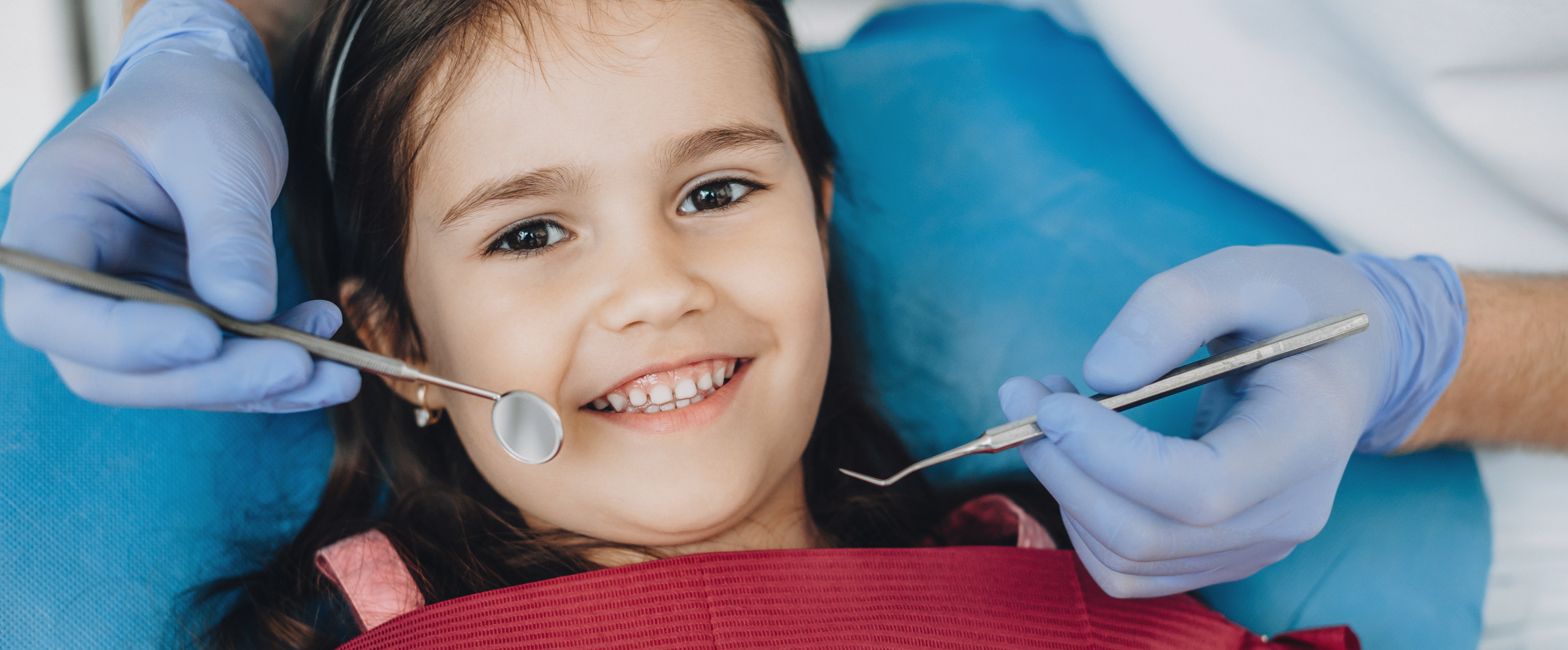
We can treat all of your pediatric dentistry needs! For kids who need help to get through their dental appointments, we can offer them relaxing nitrous oxide gas, which is safe and effective. When they would do better to be sedated or asleep, we work with a great surgery center staff of anesthesia providers to work while they snooze!
Our team at Leavitt Dentistry would be happy to answer any questions you may have about pediatric oral health. Contact us today to schedule a check-up for your child and ensure they’re on the path to a lifetime of happy, healthy smiles!