

Dental implants are one of the most reliable and long-lasting tooth replacement options out there — however, their success depends on proper planning, healing, and long-term care. While dental implant failure is uncommon, it can happen under certain circumstances. By understanding the dental implant process and following your dentist’s guidance, you can greatly improve your chances of success.
At Leavitt Dentistry, we want you to have all the information you need to make informed decisions about your dental restorations. In this blog post, we’ll discuss how implants succeed, what can lead to implant failure, how to know if you’re a good candidate for implants, and how you can set your smile up for success.
How Do Dental Implants Work?
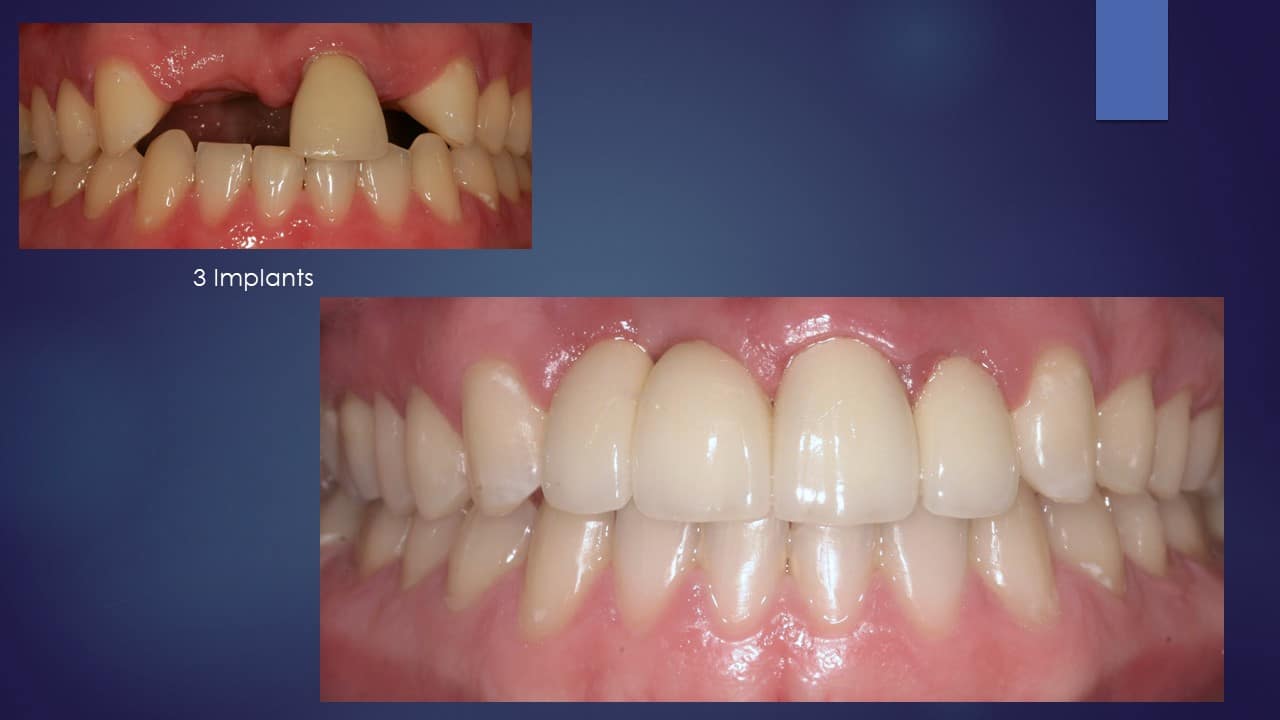
Dental implants include a titanium implant that acts as an artificial tooth root. Over time, bone grows around the implant through a process called osseointegration. When osseointegration is successful, the implant becomes a stable foundation for a crown, bridge, or denture.
Implants are widely considered to be the best option for tooth replacement because of their natural appearance and long-term durability. They look, feel, and function very similarly to a natural tooth — plus, by stimulating the jawbone, they preserve the hard tissue, or bone that gives your face that beautiful shape!
The Dental Implant Healing Process
A smooth healing process is essential for dental implant success. For the first few days or weeks, you may experience mild swelling, tenderness, and soreness. It’s important to follow your dentist’s post-op instructions carefully, stick to soft foods, and avoid putting pressure on the surgical site.
Over the next several months, the implant fuses with the bone, becoming securely anchored. It’s important to be patient during the osseointegration process — rushing things can compromise the results and cause implant failure. Once healing is complete and the implant is fully integrated, the crown, bridge, or denture can finally be placed.
Why Treatment Planning Matters
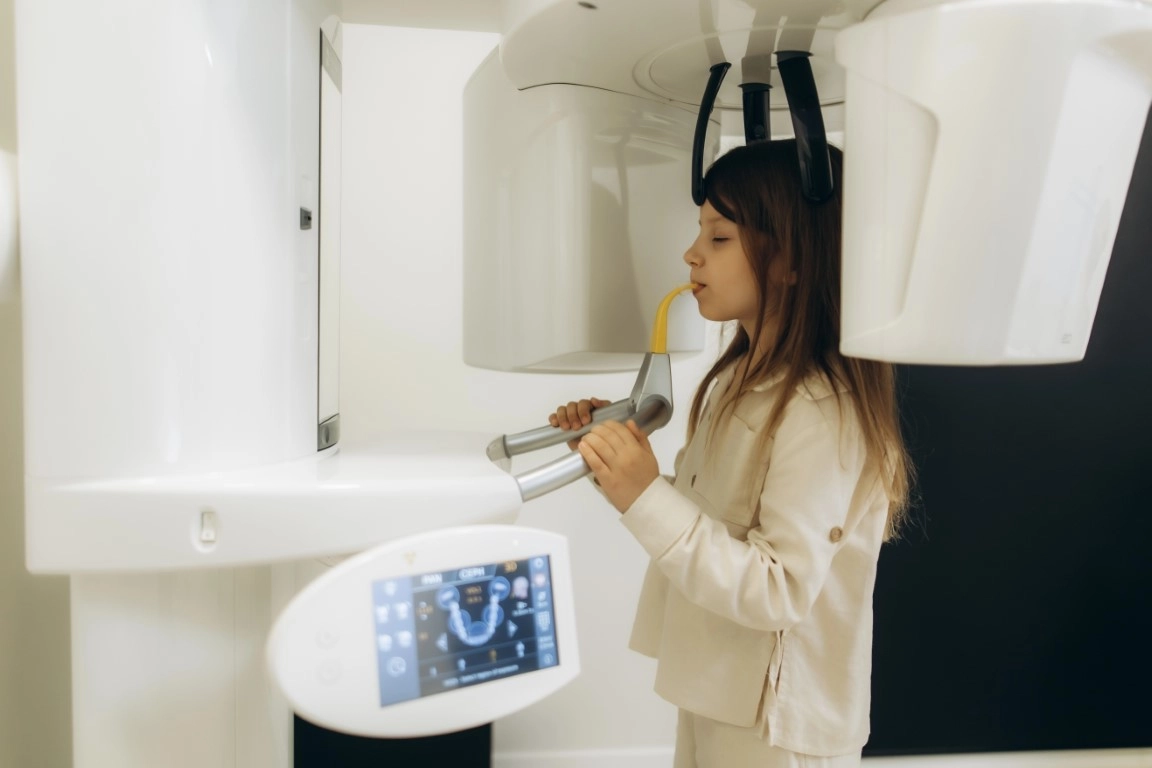
While dental implants can be transformative for many patients, it’s important to carefully plan your treatment to improve your chances of success. At Leavitt Dentistry, we perform thorough exams and evaluate the bone, utilize 3-D digital imaging technology, and come up with personalized treatment recommendations based on your needs.
Not everyone is an ideal candidate for implants. Those with significant bone loss or gum disease, severe grinding or bite problems, medical conditions affecting healing, or heavy tobacco use may not be the best candidates. However, these issues don’t always eliminate the possibility of implants — they may just require additional planning in order to avoid issues..
Common Causes of Dental Implant Failure
Without careful evaluation to ensure you’re the right candidate for implants, proper treatment planning, and the proper post-op care, your risk of dental implant failure will be significantly higher.
The common causes of dental implant failure include:
Poor Healing or Failed Osseointegration
When the implant doesn’t fully fuse with the bone, the crown or bridge does not have the support it needs, leading to failure. Possible contributing factors to poor healing include smoking or nicotine use, infection, and poor bone density.
Peri-Implantitis
Inflammation and infection can affect the tissues around the implants, causing peri-implantitis, which is similar to gum disease. Symptoms can include red or swollen gums, bleeding, a bad taste or odor, or bone loss around the implant. We make sure to continue care with professional cleanings by our excellent hygiene team.
Grinding
Grinding your teeth (bruxism) can put excessive force on the implants, interfering with the healing process and increasing the risk of implant failure. We can help protect implants by doing a thorough exam of your airway and protecting your teeth, either with an occlusal guard or a sleep device based on your needs.
Poor Long-Term Care
Implants require maintenance and care just like natural teeth — you still need to brush, floss, and keep up with your dental visits. Otherwise, plaque and bacteria can take their toll on your new smile.
What If Dental Implants Aren’t the Best Option?
If dental implants aren’t the best option for you, we offer other tooth replacement options that may better suit your needs, including:
- Dental bridges, which are a fixed restoration supported by neighboring teeth rather than implants.
- Partial or full dentures, which are removable, non-surgical, and can replace multiple missing teeth.
- Implant-supported dentures, which use fewer implants and add stability to the dentures.
How to Make Your Dental Implants Succeed
To help your dental implants succeed, make sure you follow all post-op instructions carefully, including taking medications as directed, avoiding smoking and alcohol, and sticking to soft foods at first.
It’s also important to maintain your oral hygiene and keep the surrounding gum tissue healthy, and if you struggle with grinding and clenching, it’s a good idea to wear a custom night guard to prevent wear. Additionally, you should attend your regular dental visits so we can catch and address potential problems early.
Restore Your Smile with Leavitt Dentistry
Dental implants are a long-term investment that’s worth protecting. At Leavitt Dentistry, we do everything we can to set you up for success, including proper planning, advanced surgical techniques, and ongoing care. If you’re considering dental implants, contact us today to schedule a consultation where we can explore your options and create a personalized treatment plan that meets your unique needs.